
Planning discipline without micromanagement: how to find the balance?
There is a manager who wants the schedule to be accurate. Up to date, reliable, a picture on which to base decisions. And there is

There is a manager who wants the schedule to be accurate. Up to date, reliable, a picture on which to base decisions. And there is
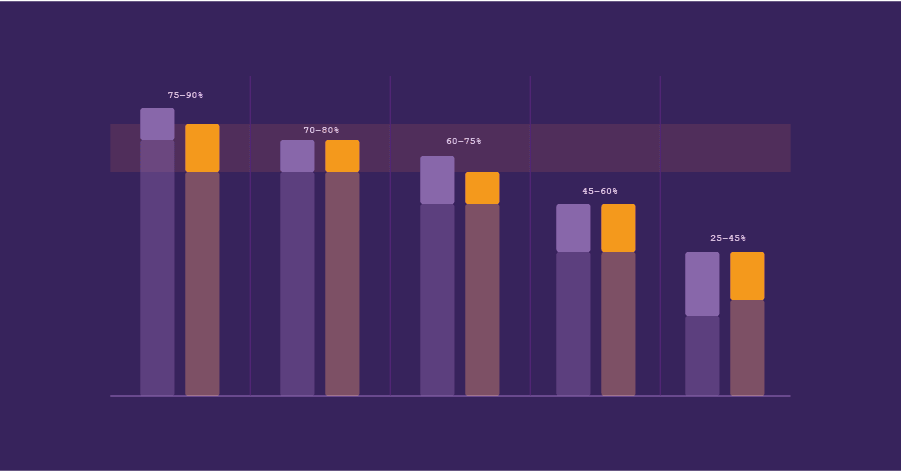
Billability – the percentage of available work time billed to clients – is the KPI to focus on for many IT companies, technical service providers,

In a previous article, we wrote about the T-shaped model — professionals who combine a broad foundation with one deep specialization. That model is and

Artificial intelligence will transform the field of resource planning—from operational routines to strategic intelligence. Resource planning has traditionally been a deeply human profession. Planners find

You know the problem: your Java developer is on the bench for two weeks because there’s no Java work, while the front-end team is screaming

You probably recognize this: an experienced consultant working on five projects simultaneously. Monday with client A, Tuesday an urgent meeting for project B, Wednesday back

For operations managers in professional services, external hiring is a familiar tool. Whether you work in IT, accounting, consulting, or technical services, the dilemma remains

Many organizations invest in systems, dashboards, and reports in the hope of gaining control over their planning. But despite these efforts, plans remain unstable, teams
In a service-oriented organization, success largely revolves around people. Employees provide the knowledge, expertise, and hours that form the basis for revenue and margin. Therefore,

As an operations manager, you’re constantly making decisions: which projects get priority, which employees to deploy where, and how to ensure healthy margins. Yet, in